Double Vinyl Edition / remastered 180 g / rosé-apricot colored vinyl
Plus 7 Bonus Songs from the early years.
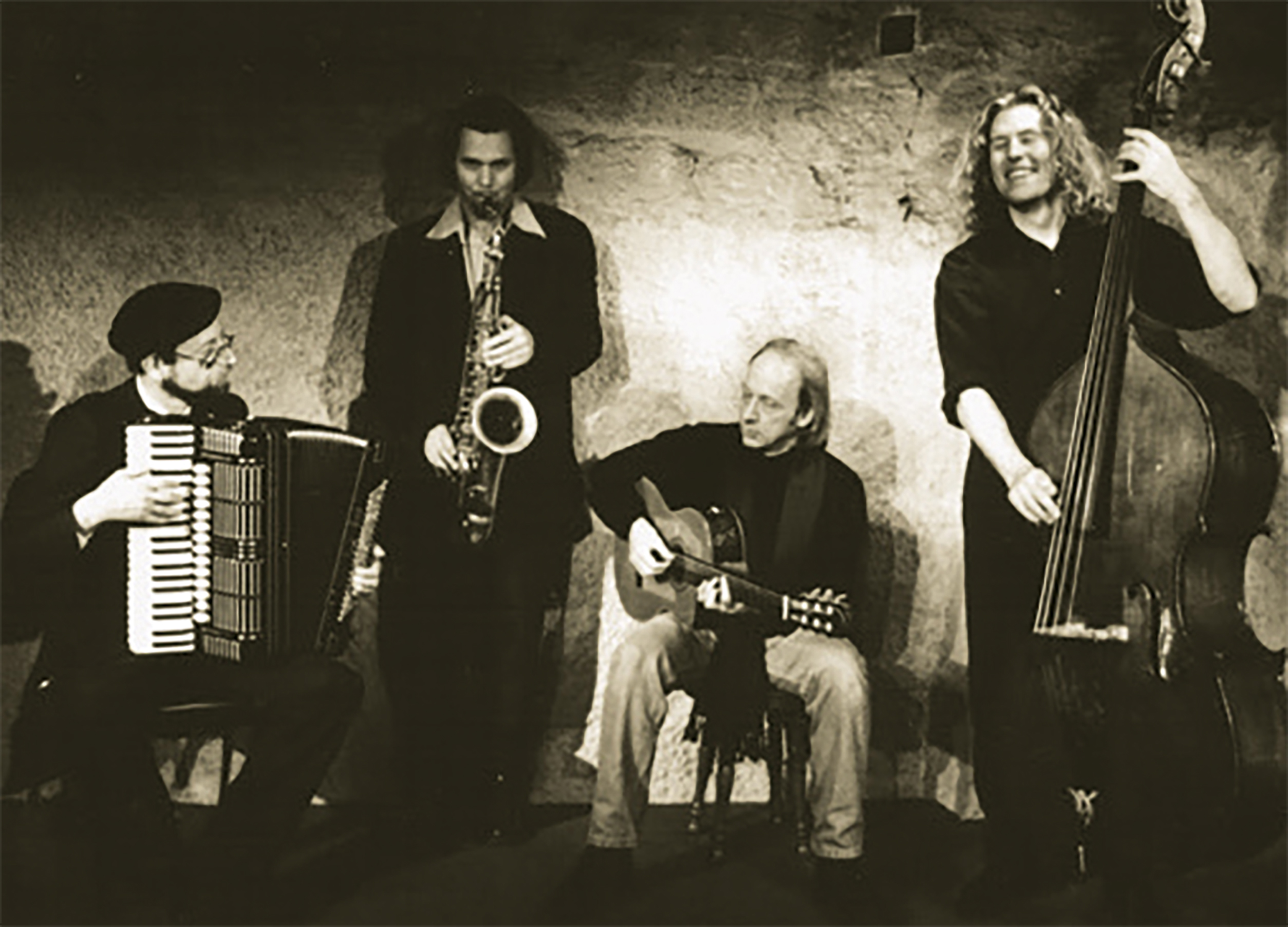
Quadro Nuevo has been touring countries around the world for 30 years and has become one of the most successful ensembles on the European jazz and world music scene. Now their debut album “Luna Rossa” is being released as a remastered double vinyl and includes 7 additional bonus tracks previously unreleased on CD
“Henning Sieverts is a brilliant bassist who has the stylistic means of new music as well as those of jazz at his disposal.” (FAZ)
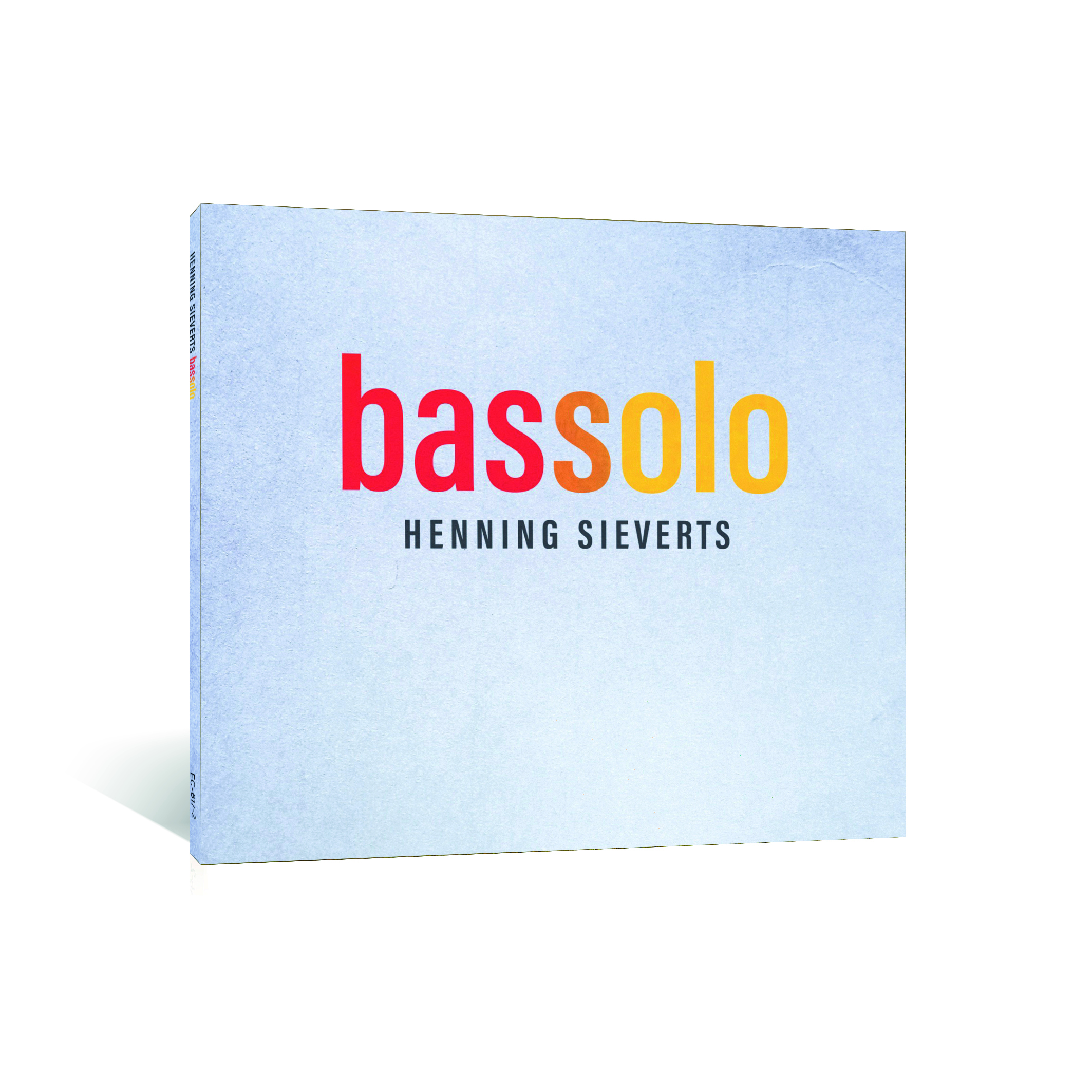
All alone, but together with his double bass – that is the new solo program of the Munich star bassist Henning Sieverts. Sometimes it is extremely delicate, sometimes grippingly groovy – plucked, bowed, stroked and tapped – everything seems possible in this “one bass show”. The album “Henning Sieverts: Bassolo” was recorded in the fantastic acoustics of Munich’s Auferstehungskirche.
All pieces of the recording are collected in a music booklet “Henning Sieverts: Bassolo”, in two versions each: plucked and bowed, with and without improvised parts.
Henning Sieverts is in demand worldwide as a bassist, cellist and composer. His discography includes over 150 CDs. Concerts and tours have taken Sieverts to all five continents. He has received numerous awards, such as the “Echo Jazz”, the New German Jazz Award (even 2x!), the first prize at the Jazz Competition of the “International Society of Bassists” and the State Promotion Prize of the Free State of Bavaria.
Henning Sieverts regularly gives composition and instrumental workshops in bass and cello, among others at the music academies of Zurich, Lucerne, Bern and Nuremberg. He is a lecturer in jazz bass at the Hochschule für Musik und Theater in Munich.
Sieverts also works as a jazz presenter for Bayerischer Rundfunk.
By loading the video, you agree to YouTube’s privacy policy. Learn more
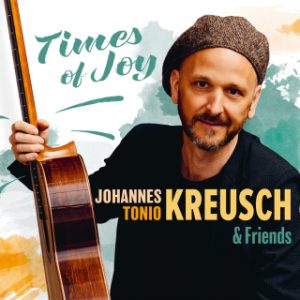
“Times of Joy”, these are for Johannes Tonio Kreusch for many years his experiences as a guitarist and musician: the encounter. The conversation about and through the music. So the title “Times of Joy” of his new album is understood correctly: it is a collection of the most beautiful of these encounters, almost a quintessence of his musical work to date. Captured preferably in duets with outstanding figures who accompanied him part of the way.
All facets of the guitar, captured with world stars from all generations and genres – with this album Johannes Tonio Kreusch also provides the listener with a time of pure joy.
Johannes Tonio Kreusch – guitar
Giora Feidman – clarinet
Badi Assad – vocals
Andrew York – guitar
Antigoni Goni – guitar
Máximo Diego Pujol – guitar
Cornelius Claudio Kreusch – piano
Mulo Francel – soprano saxophone
D.D. Lowka – double bass
Groove and fresh timbres from Jazz Guitar, Fender Rhodes Piano, Bass and Drums.
And in the middle of it all, an almost forgotten instrument: the 100-year-old C-Melody saxophone.!
The Roaring Twenties.
The heyday of art, culture, science and social life. Radio, shows, parties, movies and the first million hits in music history.
Jazz moved up the Mississippi and now conquers the metropolises of America with energetic rhythms and cheerful melodies. In the process, the saxophone is gaining more and more importance as an instrument. Fascinated by the music of that era, saxophonist Mulo Francel, who otherwise plays with the band Quadro Nuevo, took on a challenge:
Transferring the smile of the music of that time into a modern context.
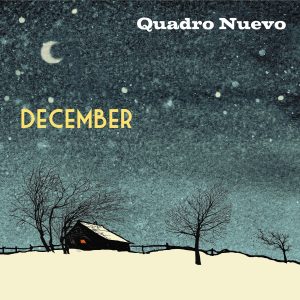
The new album of the world music ensemble Quadro Nuevo is dedicated to the wintry mood. The musicians, who have already released three Christmas albums in their long band history since 1996, do not see December as another work of this genre, but nevertheless they interpret melodies of religious or spiritual origin on it.
They opine:
“Figures like Jesus, Mary and Joseph were formative for our occidental mindset. Regardless of whether one is a believer, whether one understands them as historical persons or as myths, their story can give us orientation.
In the course of life, we can move away from them, lose track of them, reinterpret them again and again, and approach them again. Especially in the darkest time of the year, we reflect particularly intensely.



 “Times of Joy”, these are for Johannes Tonio Kreusch for many years his experiences as a guitarist and musician: the encounter. The conversation about and through the music. So the title “Times of Joy” of his new album is understood correctly: it is a collection of the most beautiful of these encounters, almost a quintessence of his musical work to date. Captured preferably in duets with outstanding figures who accompanied him part of the way.
 Groove and fresh timbres from Jazz Guitar, Fender Rhodes Piano, Bass and Drums.
 music & spirit for the cold season